
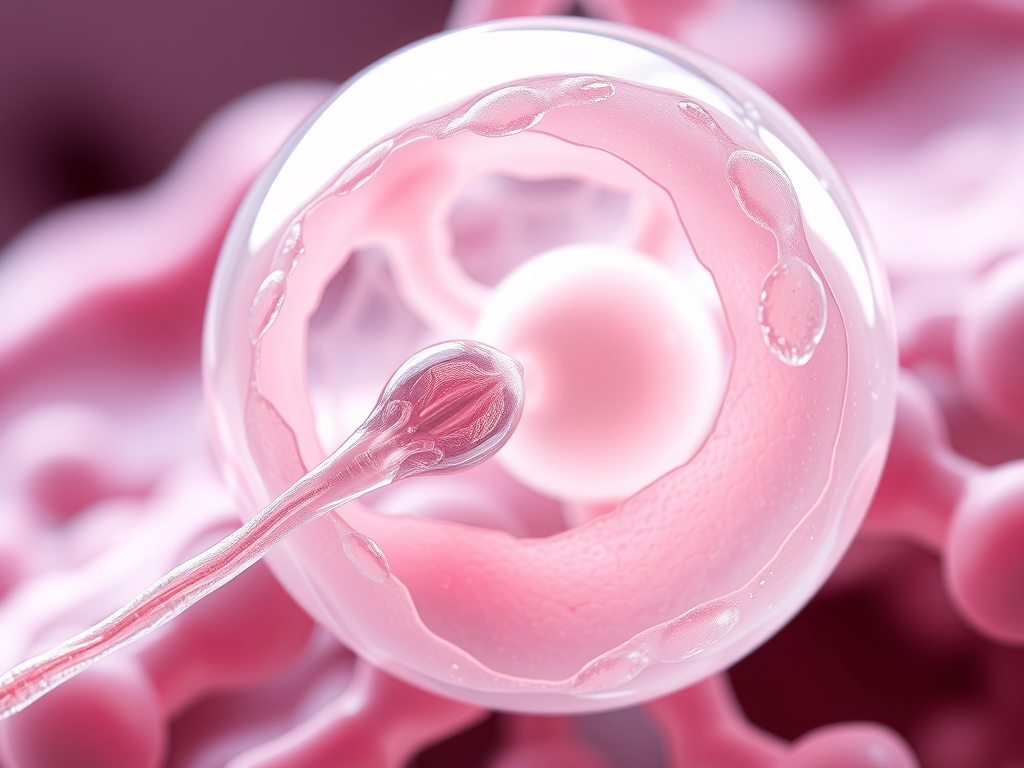
In a world where technology continues to redefine the boundaries of what is possible, one of the most revolutionary advancements in reproductive science is In Vitro Gametogenesis (IVG). Imagine a future where individuals who cannot produce eggs or sperm can still have biological children—thanks to technology that creates eggs and sperm from other types of cells in their bodies. IVG isn’t just a breakthrough; it’s a seismic shift in the possibilities of human reproduction.
What Is IVG?
IVG, or In Vitro Gametogenesis, is a cutting-edge scientific process that allows scientists to create egg and sperm cells in a laboratory setting. Unlike traditional reproduction methods, IVG uses ordinary cells, like skin or blood cells, and reprograms them into pluripotent stem cells. These stem cells are then further developed into eggs or sperm.
The process builds on decades of research in stem cell biology and reproductive science. Essentially, IVG bypasses the need for natural egg or sperm donors by enabling scientists to generate gametes directly from an individual’s own cells.
This innovation offers incredible potential for people facing infertility—especially those who have been historically unable to have biological children, such as individuals with genetic conditions, cancer survivors, or same-sex couples. IVG may one day make the dream of parenthood universally accessible.
Why Is IVG So Important?
1. An Ethical Revolution
For decades, using egg and sperm donors has been a solution for people unable to conceive naturally. While life-changing for many, this process introduces ethical and emotional complexities:
- Concerns about donor anonymity.
- Potential psychological implications for the child.
- Questions about genetic ties.
IVG eliminates these issues by allowing parents to create eggs and sperm from their own cells. No third-party donors, no ethical dilemmas—just pure, biological connections.
2. Inclusion for All
IVG opens the door to biological parenthood for groups who were previously excluded:
- Same-Sex Couples: With IVG, two men could have a child biologically related to both of them, or two women could have a child without relying on a male sperm donor.
- Infertile Individuals: People who cannot produce viable gametes due to age, illness, or medical treatments could still have biological children.
- Genetic Compatibility: IVG may one day allow for the removal of genetic mutations or the inclusion of specific desirable traits, ensuring healthier offspring.
3. Redefining “Natural”
Let’s face it: technological advancements in medicine have always been “unnatural.” Eyeglasses? Cataract surgery? Prosthetics? All of these interventions radically change lives and improve human potential. So why hesitate when IVG offers the chance to bring life into the world in a way that traditional biology cannot? If anything, IVG is a testament to how technology and humanity can align to break barriers and create miracles.
How Does IVG Work?
IVG builds on the foundational science of stem cell reprogramming and advanced cell manipulation. Here’s how the process works:
- Cell Collection: Scientists collect ordinary somatic cells, such as skin or blood cells, from the individual.
- Reprogramming: These cells are reprogrammed into induced pluripotent stem cells (iPSCs), which can transform into almost any cell type in the body.
- Gamete Development: iPSCs are guided into developing into eggs or sperm through precise biochemical and environmental conditions in the lab.
- Fertilization: The lab-generated egg and sperm can then be fertilized via IVF (In Vitro Fertilization) to create an embryo.
Although IVG is still in experimental stages for humans, researchers have successfully used the process in animals, such as mice, paving the way for future breakthroughs in human applications.
Who Is Leading the IVG Revolution?
Some of the brightest minds and most prestigious institutions are at the forefront of IVG research:
- Dr. Katsuhiko Hayashi: A leading researcher from Japan’s Kyushu University, Dr. Hayashi has made groundbreaking progress in creating viable eggs from mouse skin cells.
- Dr. Jacob Hanna: Based at the Weizmann Institute of Science in Israel, Dr. Hanna is another pioneer, focusing on reprogramming cells for human reproductive purposes.
- Stanford University and Harvard Medical School: Both are exploring applications of IVG in human fertility treatments, with significant strides in stem cell research.
These institutions and scientists are driving innovation that could one day make infertility a relic of the past.
What’s Next for IVG?
While the potential of IVG is staggering, there are hurdles to overcome before it becomes widely available:
- Ethical Debates: Questions about genetic editing, “designer babies,” and the societal implications of lab-created gametes must be addressed.
- Regulatory Frameworks: Governments and medical boards will need to establish guidelines for the safe and ethical use of IVG.
- Technical Refinement: More research is needed to ensure the safety and reliability of lab-grown gametes in humans.
However, as these challenges are addressed, IVG could transition from an experimental science to a mainstream reproductive option within the next few decades.
Where to Learn More and Sign Up for IVG
If you’re interested in exploring IVG for your own family journey or staying updated on advancements, sign up with leading institutions and research clinics:
- Kyushu University: Follow Dr. Katsuhiko Hayashi’s latest updates on IVG breakthroughs.
- Weizmann Institute of Science: Reach out to learn more about clinical trials and future applications.
- Stanford University’s Reproductive Technology Lab: Stay connected for opportunities to participate in cutting-edge research.
- Harvard Medical School’s Fertility Research Program: Contact them to inquire about IVG advancements.
These organizations are at the forefront of the IVG revolution and can provide guidance on how to be part of this transformative journey.
Redefining Reproduction
In Vitro Gametogenesis is not just about creating life; it’s about transforming lives. For millions of people who have faced the heartbreak of infertility or the barriers of traditional reproduction, IVG represents hope, empowerment, and progress.
As with any groundbreaking technology, there will be debates, challenges, and growing pains. But history has shown us that when humanity dares to push the boundaries of biology with the tools of technology, the results can be nothing short of miraculous.
Here is a cool video from Bloomberg Originals on it
IVG is more than science—it’s a revolution in how we think about family, biology, and the future. And it’s a reminder that when tech breaks the rules of biology, it isn’t unnatural—it’s extraordinary.
Citations:
1. General Explanation of IVG:
• Hayashi, K., et al. “Reconstitution of the Mouse Germ Cell Specification Pathway in Culture by Pluripotent Stem Cells.” Cell, 2011.
• Hanna, J., et al. “Generating Human Oocytes and Sperm from Stem Cells: The Science of IVG.” Nature Reviews Molecular Cell Biology, 2020.
2. Ethical Benefits of IVG:
• Baylis, F. “IVG and Ethical Considerations for Reproduction.” Journal of Bioethics, 2019.
3. Leading Researchers and Institutions:
• Dr. Katsuhiko Hayashi’s work: Kyushu University Press Release (2021) – https://www.kyushu-u.ac.jp
• Dr. Jacob Hanna: Weizmann Institute Publications – https://www.weizmann.ac.il
• Stanford University Research: Stanford Center for Reproductive Biology – https://reproductivebiology.stanford.edu
• Harvard Medical School Studies: Department of Stem Cell and Regenerative Biology – https://hscrb.harvard.edu
4. Animal Studies Paving the Way for IVG:
• Zhou, Q., et al. “Complete Meiosis from Embryonic Stem Cell-Derived Germ Cells In Vitro.” Science, 2016.
5. Potential Applications and Challenges:
• Suter, S. M. “IVG in Humans: Ethical and Regulatory Challenges.” Journal of Law, Medicine & Ethics, 2020.
6. Future of IVG:
• Ishikawa, H., et al. “IVG: A Pathway to Accessible Reproductive Medicine.” Trends in Biotechnology, 2022.


Leave a Reply